Understanding the Importance of Data Management in Today's Digital Age
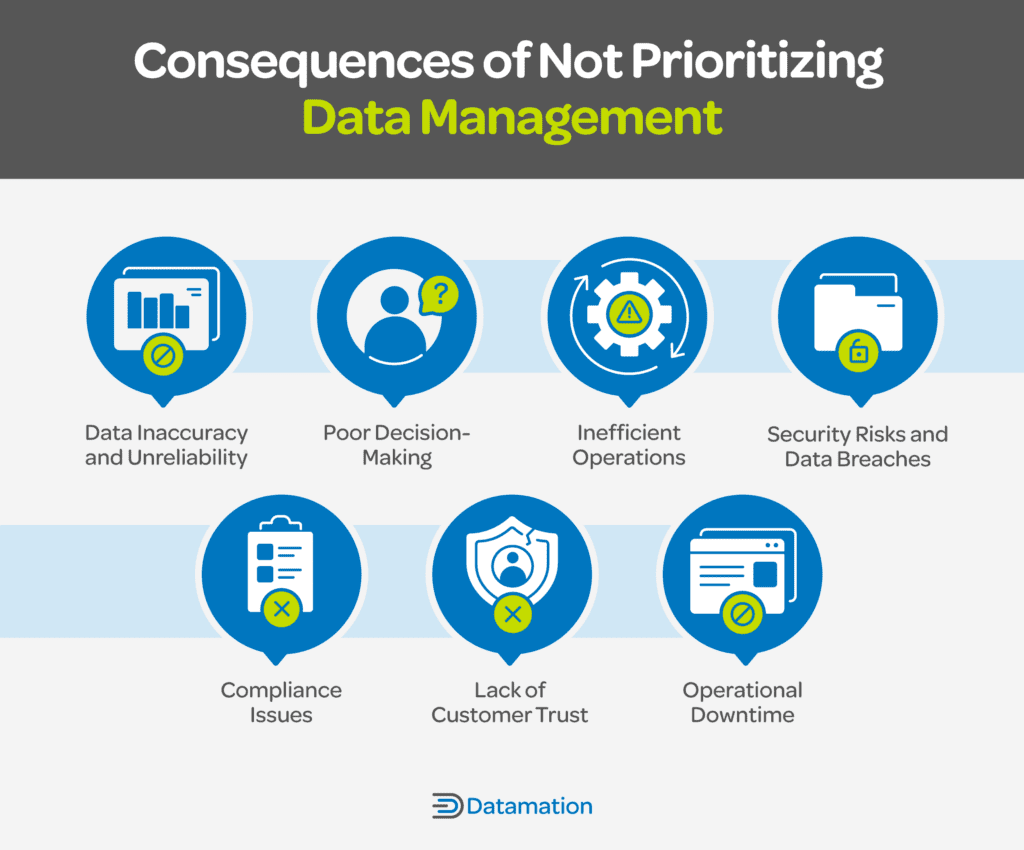
In today's digital age, data management has become vital for organizations aiming to enhance efficiency and drive growth. With the exponential increase in data generation, businesses must adopt robust data management practices to leverage this information effectively. Proper data management enables organizations to collect, store, and analyze data, leading to informed decision-making and strategic planning. Moreover, an organized data framework ensures compliance with regulations and enhances data security, reducing the risks associated with data breaches and loss.
Furthermore, effective data management improves collaboration within organizations. By implementing centralized data repositories and management systems, teams can access timely and accurate information, fostering better communication and teamwork. According to industry experts, organizations that prioritize data management are more likely to innovate and respond quickly to market changes. In summary, investing in comprehensive data management strategies is not just a necessity but a catalyst for success in an increasingly data-driven world.
Counter-Strike is a highly popular first-person shooter game that pits teams of terrorists against counter-terrorists in a variety of objectives. The game has become a staple in the esports community, with professional tournaments drawing large audiences worldwide. Players often seek to enhance their gaming experience with various tools and gadgets. For instance, you might want to check out the Top 10 mac accessories for creators that can help elevate your gameplay.
10 Best Practices for Effective Data Organization and Storage
Effective data organization and storage are crucial for enhancing productivity and ensuring easy access to information. Here are 10 best practices to help you maintain an organized system:
- Establish a clear file naming convention to ensure consistency and avoid confusion.
- Utilize folders and subfolders to categorize data hierarchically, making it easier to locate files.
- Implement version control to keep track of changes and avoid data loss.
- Regularly back up your data to prevent loss due to unforeseen circumstances.
- Utilize cloud storage solutions for remote access and enhanced collaboration.
- Incorporate metadata and tagging for quick searches and retrieval of information.
- Archive outdated files to declutter your current storage and improve efficiency.
- Conduct periodic audits to ensure compliance and the relevance of stored data.
- Ensure data security by implementing strong password policies and access controls.
- Train your team on the importance of data organization to promote best practices across your organization.
By adhering to these best practices, you can create a seamless flow of information and reduce the risk of errors. An organized data storage system not only saves time but also improves decision-making capabilities, leading to better outcomes for your projects. Remember to regularly review and update your strategies to accommodate changing needs and advancements in technology.
How to Implement Data Governance: Strategies for Success
Implementing data governance is crucial for organizations seeking to manage their data effectively. The first step is to establish a clear framework that defines roles, responsibilities, and policies related to data management. Begin by conducting a data inventory to identify what data exists within your organization and assess its quality. This can be followed by creating a data governance committee that includes stakeholders from various departments to ensure a comprehensive approach. Regular meetings and updates will help in refining governance strategies over time.
Another critical strategy for success in data governance is adopting standard operating procedures for data access and usage. Implement a set of guidelines that outlines how data should be collected, stored, and shared. Consider leveraging technology such as data management tools to track data lineage and ensure compliance with regulations. Educating your team through workshops and training sessions will also foster a culture of accountability around data management, ultimately leading to smarter decision-making and improved business outcomes.