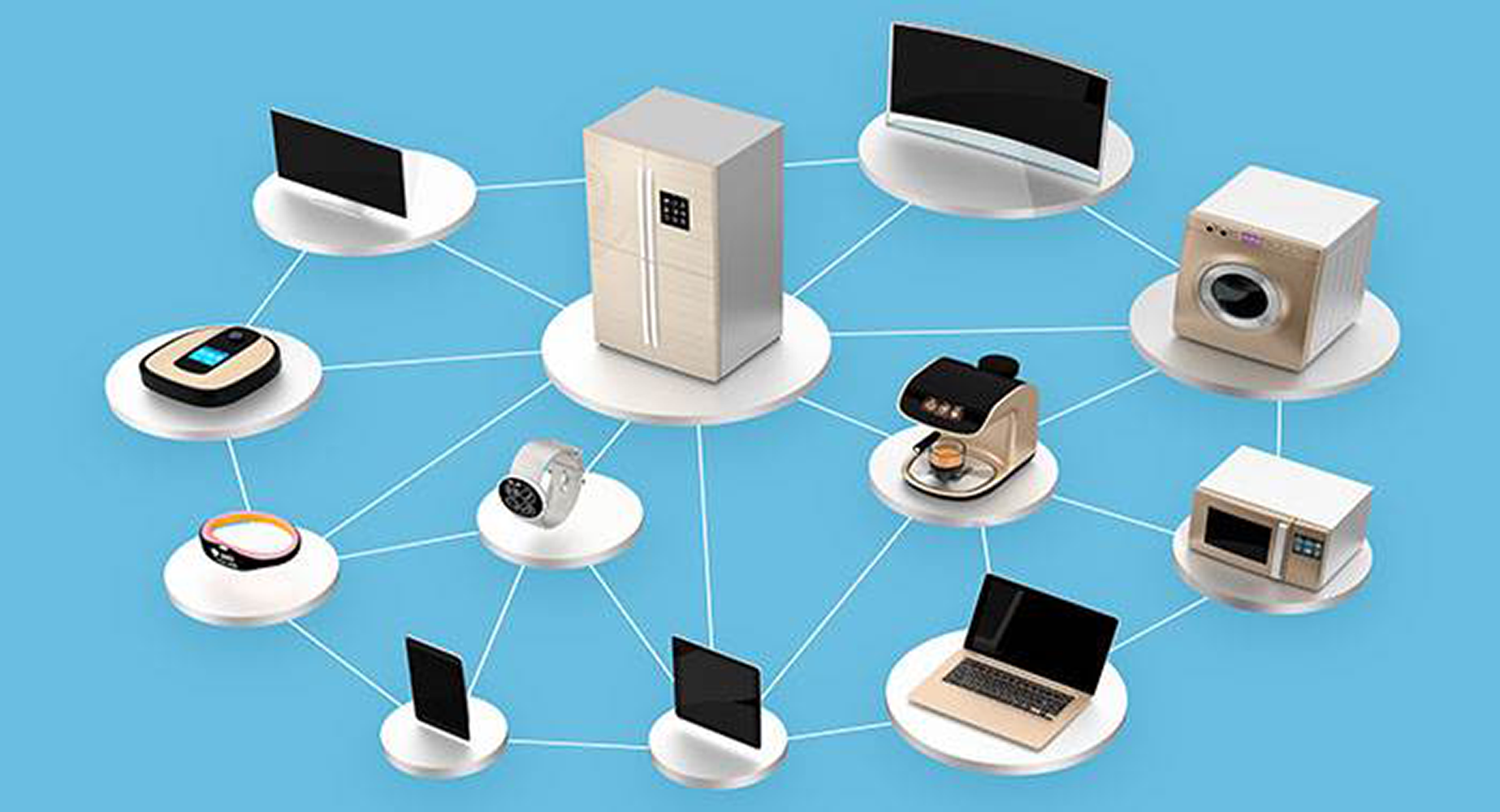
Revolutionary Inventions: How Do They Change Our Perception of Intelligence?
Revolutionary inventions have consistently reshaped our understanding of intelligence. From the wheel to the internet, each groundbreaking development has introduced new dimensions to what it means to be intelligent. For instance, the advent of artificial intelligence (AI) is a prime example; it challenges traditional notions of human intellect by demonstrating that machines can perform tasks that once required cognitive reasoning. This shift has led to a reevaluation of intelligence itself, prompting society to question whether it is solely a human trait or if it can be replicated in other forms. As we continue to integrate these technologies into our daily lives, our benchmarks for intelligence evolve, often emphasizing adaptability and problem-solving over rote memorization.
Furthermore, the impact of revolutionary inventions extends beyond mere functionality; they also influence our social structures and interactions. For example, smartphones have revolutionized how we communicate and access information, allowing for instant connectivity and collaboration across the globe. This real-time access to vast amounts of data means that intelligence is no longer just about individual knowledge but also about the ability to synthesize and apply information in various contexts. As we embrace these innovations, our perception of intelligence increasingly reflects a collective rather than individual capability, leading to a society where collaboration and technological fluency are highly valued.
Counter-Strike is a popular first-person shooter game that emphasizes team-based tactics and strategy. Players can choose to combat as terrorists or counter-terrorists, each with unique objectives. For gamers looking to enhance their experience, checking out the Top 10 Mobile Accessories can provide valuable insights into useful gear and gadgets.
The Art of Automation: Are Machines Outsmarting Humans?
The rapid advancement of technology has led to an increasing reliance on automation, raising the question: are machines outsmarting humans? In various industries, from manufacturing to customer service, automated systems and artificial intelligence are becoming key players. These machines can analyze data faster and make decisions based on algorithms, which often surpass human capabilities. For instance, in the finance sector, algorithmic trading systems can execute complex trades in milliseconds, taking advantage of market fluctuations in ways that would be impossible for human traders. This shift not only enhances efficiency but also reshapes job roles, prompting a reevaluation of human skills in the workforce.
However, the rise of automation also stirs a debate about its implications for the future of work. Some experts argue that as machines become more capable, there is a risk of humans being outpaced in critical areas, leading to job displacement and economic inequality. Others believe that automation can serve as a tool for augmentation, enabling humans to focus on more creative and strategic tasks. Companies must find a balance to ensure that while they leverage the benefits of technology, they also invest in human skills and training programs that prepare workers for an evolving job landscape. Ultimately, the challenge lies in navigating the relationship between innovation and human employment.
From AI to Biotech: What Devices Challenge Our Definition of Creativity?
The intersection of technology and artistry is increasingly blurred, raising intriguing questions about the definition of creativity. Devices powered by artificial intelligence (AI) are at the forefront of this evolution. For instance, AI-driven music composition software can analyze existing musical patterns and generate original scores that mimic renowned composers. These tools challenge our understanding of creativity, as they can produce works that resonate emotionally with listeners, yet lack the human experience behind them. Additionally, AI-generated visual art, such as portraits and landscapes, invokes further debate about originality and the essence of an artist’s intent.
Moving beyond AI, biotechnology also plays a significant role in expanding the concept of creativity. Innovations such as bioart, where living organisms are used as a medium, push boundaries in artistic expression. Artists collaborating with scientists can create living installations that challenge convention and prompt dialogues about life and creativity itself. As these devices and methodologies evolve, they force us to reconsider traditional definitions of creativity and ask whether the creators—or merely the tools—are the true artists.