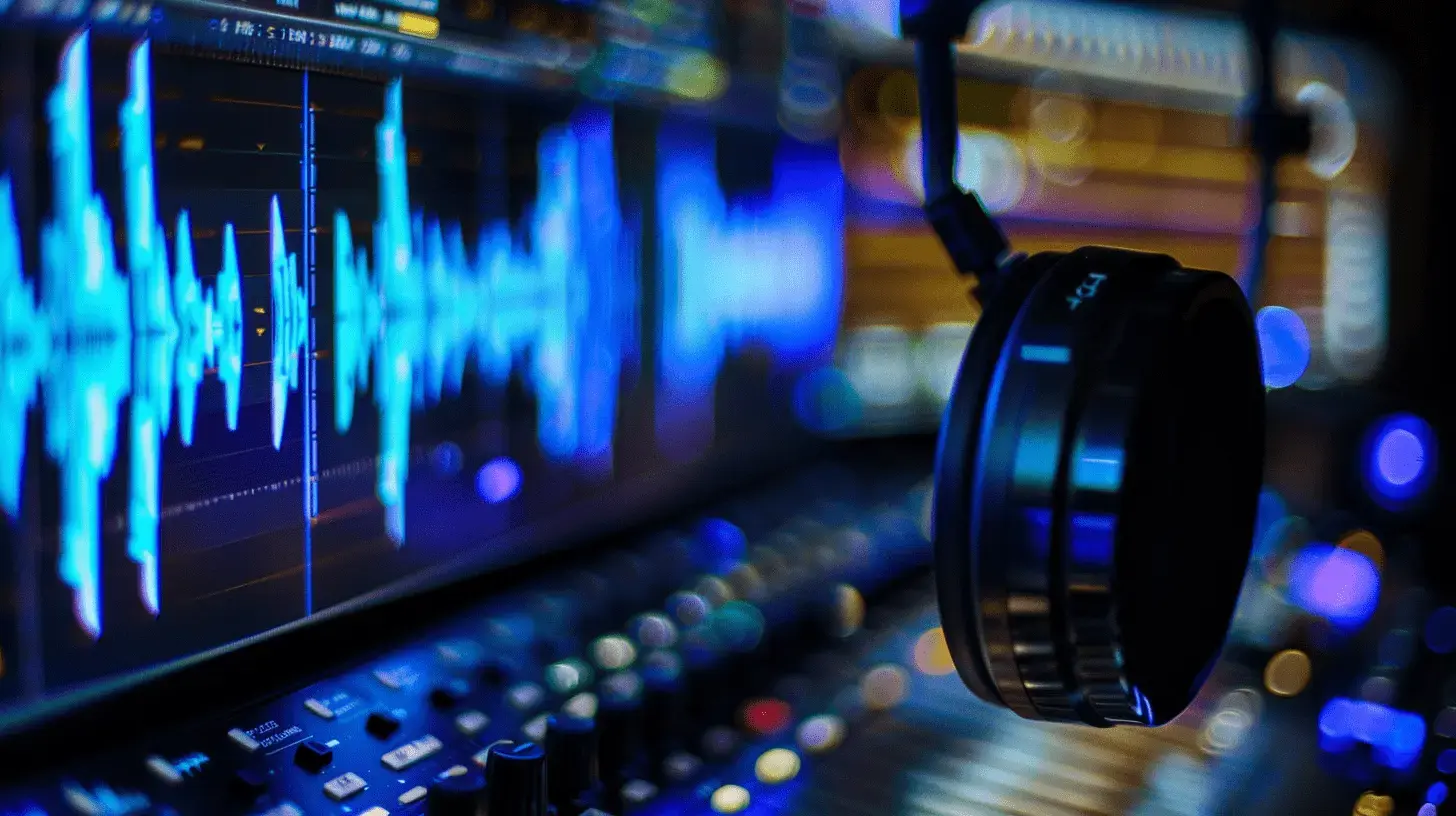
Exploring the Latest Trends in Audio Technology: What’s Next?
The world of audio technology is constantly evolving, driven by innovations that enhance our listening experiences. From the rise of smart speakers to the advancement of 3D audio technology, consumers are now presented with immersive sound experiences that were once thought to be exclusive to high-end audio systems. As we explore the latest trends in audio technology, it's crucial to consider how these developments are reshaping the way we interact with music and media. Some notable trends include:
- Spatial Audio: Creating a three-dimensional sound experience.
- Wireless Audio Solutions: The shift towards convenience and mobility.
- AI-Powered Sound Processing: Enhancing audio fidelity through artificial intelligence.
Looking ahead, the future of audio technology appears bright and dynamic. Innovations such as augmented reality (AR) audio applications and personalized sound profiles promise to redefine the way we consume audio content. For example, with AR audio, users will be able to experience soundscapes that blend seamlessly with the visual elements of their environment. As these trends continue to develop, it’s essential for audiophiles and casual listeners alike to stay informed and adapt to these exciting changes in the audio landscape.
Counter-Strike is a highly popular first-person shooter game that emphasizes teamwork and strategy. Players can choose to align with either the terrorist or counter-terrorist team as they battle across various maps. Additionally, if you're looking to enhance your gaming setup, check out the Top 10 homepod mini mounts for optimal sound placement. The game has evolved through various iterations, with each version introducing new maps, weapons, and gameplay mechanics that keep the community engaged.
How Will AI Transform the Future of Sound Experiences?
As technology continues to evolve, AI is set to revolutionize the way we experience sound. One significant transformation lies in sound personalization, where artificial intelligence will analyze individual preferences and tailor audio experiences accordingly. Imagine a world where AI curates playlists or ambient sounds specifically designed to enhance your mood or productivity. Furthermore, AI algorithms will enable spatial audio technologies to create immersive soundscapes, allowing listeners to feel as if they are right in the center of the experience, whether it's a live concert or a tranquil nature setting.
In addition to personalization, AI will play a pivotal role in the creation and production of sound. Musicians and sound designers will leverage AI tools to generate unique compositions, automate mixing processes, and even collaborate with intelligent systems that can suggest creative elements. With this advancement, the barriers to creating high-quality sound experiences will diminish, fostering innovation and diversity in the music and entertainment industries. As we look to the future, it is clear that AI will not only enhance our enjoyment of sound but also redefine the boundaries of what is possible in sound experiences.
The Rise of Spatial Audio: Is It the Future of Listening?
As we delve into the rise of spatial audio, it's essential to understand its transformative impact on the listening experience. Unlike traditional stereo sound, spatial audio creates a surrounding soundscape, allowing listeners to perceive audio from all directions. This technology utilizes advanced algorithms and hardware to simulate a 3D audio environment, offering a richer, more immersive experience. Many industries, including gaming, music, and film, are beginning to embrace spatial audio, reflecting a significant shift in how we consume auditory content.
With major players such as Apple and Netflix integrating spatial audio technologies into their platforms, it's evident that this innovation is not just a passing trend but a glimpse into the future of listening. As the demand for more immersive experiences grows, spatial audio has the potential to redefine our relationship with sound. To explore its full capabilities, users will need compatible devices and applications, making it imperative for creators to prioritize this technology. Could spatial audio mark a new era in audio consumption? The answer seems to rest on how we adapt to and adopt these advancements in auditory technology.