5 Essential Ergonomic Practices for a Healthier Workspace
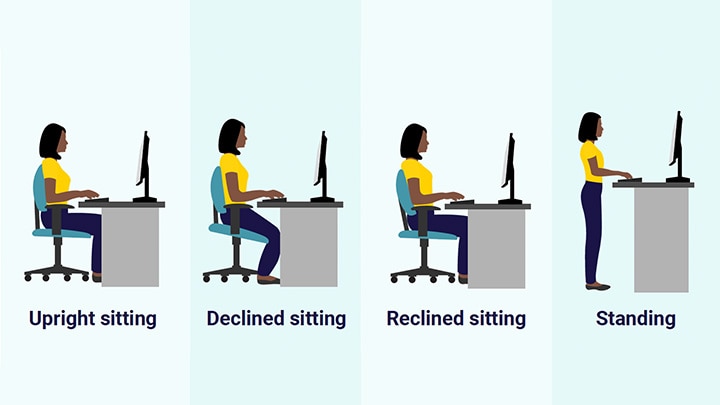
Creating a healthier workspace is vital for enhancing productivity and reducing the risk of discomfort or injury. Here are 5 essential ergonomic practices that can transform your work environment:
- Adjust Your Chair: Ensure your chair has proper lumbar support and is adjustable to suit your height. Your feet should rest flat on the floor, and your knees should be at or just below hip level.
- Monitor Positioning: Position your computer screen at eye level to avoid neck strain. The top of the monitor should be at or slightly below eye level, and you should be about an arm's length away from the screen.
- Keyboard and Mouse Placement: Keep your keyboard and mouse close enough so that your arms can relax and remain at a right angle. This reduces strain on your wrists and promotes better posture.
Incorporating simple practices into your daily routine can make a significant difference. Here are two more essential ergonomic practices to consider:
- Take Regular Breaks: Avoid prolonged periods of sitting by setting a timer to remind you to stand, stretch, or walk for a few minutes every hour.
- Optimize Your Lighting: Proper lighting is crucial for reducing eye strain. Consider using soft white bulbs or desk lamps that eliminate glare from your screen.
Counter-Strike is a popular first-person shooter game that pits teams of terrorists against counter-terrorists in various objective-based scenarios. Players choose different weapons, utilize tactics, and work together to achieve their goals. For those who enjoy gaming on the couch, check out the Top 10 Laptop Stands for Couch to enhance your gaming experience.
How to Create an Ergonomic Office: Tips and Tools
Creating an ergonomic office is essential for promoting good posture and reducing discomfort during long hours of work. To start, consider the basic elements of your workspace. Ensure that your computer monitor is at eye level, approximately an arm's length away, to minimize neck strain. Additionally, invest in an adjustable chair that supports your lower back and allows your feet to rest flat on the ground. Remember, having a clutter-free desk can also significantly impact your productivity and comfort.
Next, explore several tools that can enhance your workspace. A sit-stand desk allows you to alternate between sitting and standing, promoting movement throughout the day. Ergonomic accessories like a wrist rest or a mouse pad with a built-in wrist support can reduce strain during typing. To further enhance your posture, consider using a footrest and ensuring your keyboard is positioned at a height that allows your elbows to remain at a 90-degree angle. Implementing these tips can greatly improve your overall well-being and productivity.
Why Ergonomics Matters: The Impact of Workspace Design on Productivity
Ergonomics plays a critical role in creating a workspace that fosters productivity and well-being. When a workspace is designed with ergonomic principles in mind, it can significantly reduce physical strain and discomfort associated with long hours of work. This includes the proper arrangement of furniture, such as adjustable chairs and desks, which promote good posture and minimize the risk of musculoskeletal disorders. Studies have shown that comfortable work environments can lead to improved efficiency and employee satisfaction, demonstrating that investing in ergonomic design is not just a health consideration but also a smart business strategy.
Moreover, the impact of workspace design on productivity extends beyond physical comfort; it also influences mental focus and creativity. With an ergonomic setup, employees are less likely to experience distractions caused by discomfort, allowing them to concentrate better on their tasks. Incorporating elements such as adequate lighting, calming colors, and organized spaces can further enhance cognitive function and morale. Therefore, prioritizing ergonomic principles in the workplace is essential for maximizing productivity, as a well-designed environment is not merely about aesthetics but about creating a supportive atmosphere for peak performance.