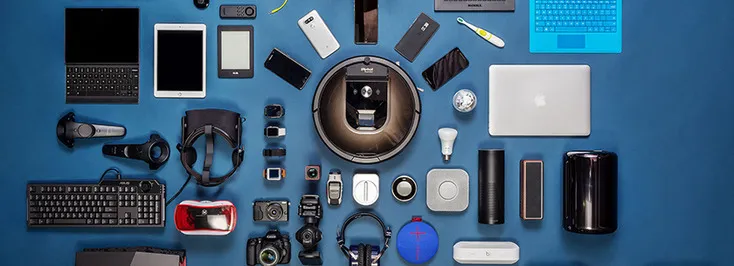
Are We Too Connected? The Hidden Costs of Gadget Overload
In our rapidly evolving digital landscape, the question, Are We Too Connected?, has become increasingly relevant. While smartphones, tablets, and laptops offer unparalleled access to information and social interactions, they also impose significant hidden costs on our mental and physical well-being. Numerous studies highlight that excessive screen time can lead to issues such as increased anxiety, depression, and even sleep disturbances. As we navigate the digital world, it’s essential to assess whether our gadgets are enriching our lives or contributing to an overwhelming sense of gadget overload.
Moreover, the constant notifications and demands for our attention can fragment our focus and decrease productivity. According to recent surveys, about 70% of people feel they are unable to disconnect from their devices, leading to a cycle of dependency. This societal phenomenon urges us to establish healthier boundaries with technology. By prioritizing in-person connections and setting dedicated times to unplug, we can regain control over our lives and mitigate the hidden costs associated with our digital dependencies.
Counter-Strike is a popular team-based first-person shooter game where players can choose to be part of the terrorist or counter-terrorist teams. The game emphasizes strategy, teamwork, and skill, making it a staple in competitive gaming. For those looking to enhance their gaming experience, check out the Top 10 iphone accessories under 50 that can help improve both performance and enjoyment while playing games like Counter-Strike.
The Gadget Paradox: How Technology Can Distract Us From What Matters
In today's hyper-connected world, the gadget paradox presents a compelling dilemma: while technology offers unprecedented access to information and connection, it often distracts us from what truly matters in our lives. With countless notifications vying for our attention, we can easily find ourselves engrossed in our devices, scrolling through social media or binge-watching shows, while important moments with family and friends slip by unnoticed. This phenomenon raises the question: are we truly living in the moment, or merely existing in a digital landscape?
To combat the distractions posed by our beloved gadgets, it's essential to establish boundaries that prioritize real-life interactions and experiences. Consider implementing strategies such as:
- Designated gadget-free times: Set aside specific times each day where technology takes a backseat.
- Meditation and mindfulness: Engage in practices that encourage being present and appreciating your surroundings.
- Digital detox: Take regular breaks from screens to reconnect with nature and loved ones.
By recognizing and addressing the gadget paradox, we can shift our focus back to what matters most, enriching our lives with genuine connections and fulfilling experiences.
5 Signs That Your Must-Have Device Is a Distraction, Not a Necessity
In today's fast-paced digital world, it's easy to fall into the trap of believing that every device we own is essential. However, there are five key signs that may indicate your must-have device is actually a distraction rather than a necessity. Firstly, consider how often you find yourself reaching for it not for genuine needs, but out of habit or boredom. If you notice that you’re constantly picking up your device during conversations or activities, it may be time to reassess its role in your life. Secondly, evaluate how much time you spend on the device daily. If it consumes several hours without adding significant value, it could be an indicator that your device is more of a distraction.
Thirdly, think about your productivity levels while using this device. If you frequently become sidetracked by notifications or social media updates, it’s a clear sign that your device is keeping you from focusing on important tasks. Fourth, check how your mood changes after using the device. If you often feel drained or anxious instead of fulfilled, it’s time to recognize the impact it has on your mental well-being. Finally, consider how many times you've thought about leaving your device behind and enjoying a day free from its clutches. If this idea excites you rather than terrifies you, it may be a sign that your device is more of a distraction than a necessity in your daily life.