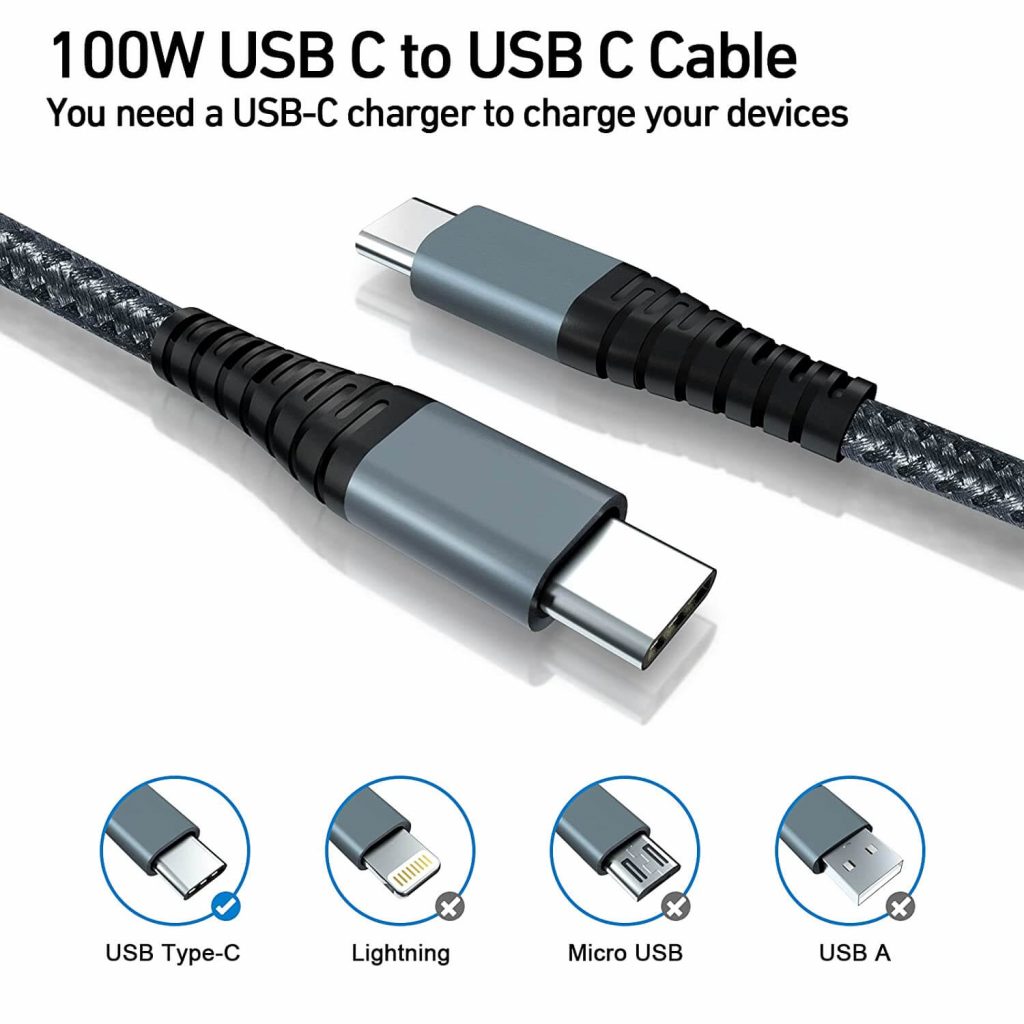
The Versatility of USB-C: A Deep Dive into Its Multifunctional Nature
USB-C has emerged as a game-changer in the tech world, revolutionizing how we connect and power our devices. Its versatility is rooted in its multifunctional capabilities, allowing it to serve various roles beyond just charging. With its reversible design, users can easily connect devices without worrying about orientation. Additionally, USB-C supports multiple protocols, which means it can transmit power, data, and video signals simultaneously. This functionality has made it the go-to standard for a wide range of devices, from smartphones to laptops, enabling seamless integration and reducing the number of cables needed in our everyday lives.
Moreover, the adaptability of USB-C extends to its compatibility with numerous accessories and peripherals. For instance, it can be used with adapters to connect to HDMI displays, USB 3.0 devices, and even legacy USB types, ensuring that users can continue utilizing their existing gadgets. The growing adoption of USB-C across brands and product lines signifies a shift towards a more unified charging solution. As manufacturers continue to embrace this technology, we can expect to see further innovation that leverages the multifunctional nature of USB-C, enhancing user experiences and driving efficiency in both personal and professional settings.
Counter-Strike is a popular tactical first-person shooter video game series that pits teams of terrorists against counter-terrorists in various mission-based scenarios. The gameplay emphasizes teamwork, strategy, and skill, making it a favorite in esports. Players can enhance their gaming setup with tools like Top 10 macbook docks for improved performance and connectivity during intense matches.
USB-C vs. Other Cables: Why It’s the Ultimate All-in-One Solution
In the ever-evolving technology landscape, USB-C has emerged as the ultimate all-in-one solution for connecting devices. Unlike traditional USB cables, which often come in various shapes and variations like USB-A, USB-B, and even Lightning connectors, USB-C offers a universal interface that is compatible with a wide range of devices including laptops, smartphones, and peripherals. This means that users no longer need to carry multiple types of cables; a single USB-C cable can handle data transfer, charging, and even video output, streamlining the way we connect and interact with our tech.
One of the standout features of USB-C is its reversible connector design, allowing users to plug it in either way without frustration. Additionally, it supports faster data transfer speeds and higher power delivery compared to older cable types. For instance, while USB 3.0 maxes out at 5 Gbps, USB-C can facilitate speeds of up to 40 Gbps with Thunderbolt 3 compatibility. This combination of speed, versatility, and ergonomic design makes USB-C not just a trend, but a long-term solution for modern connectivity needs.
What You Need to Know About the Future of USB-C Technology
The future of USB-C technology is poised for significant advancements as it continues to evolve into the universal standard for connecting and powering devices. With its reversible design and ability to support high-speed data transfer, USB-C is rapidly becoming the preferred choice for consumers and manufacturers alike. Industries are recognizing its potential, with many companies adopting USB-C in their latest devices, from laptops and smartphones to peripherals and chargers. As we look ahead, we can expect to see innovations such as increased power delivery capabilities, enhanced data rates, and improved compatibility with a broader range of devices.
Furthermore, the future of USB-C technology will likely involve the implementation of new features such as Thunderbolt 4 support, allowing for even faster data transfer speeds and the ability to connect multiple devices through a single port. This evolution is driven by the need for efficiency and convenience in a fast-paced digital world. As consumers demand more versatility from their electronic devices, USB-C will continue to adapt, making it essential for users to stay informed on the latest developments and benefits. Embracing this technology not only future-proofs your devices but also simplifies your connectivity challenges.