5 Mind-Bending Gadgets That Challenge Your Perception of Reality
In today's fast-paced technological world, there are countless innovations that not only make our lives easier but also reshape our understanding of reality. From augmented reality glasses to immersive virtual reality headsets, these mind-bending gadgets challenge our perception in extraordinary ways. One standout example is the Oculus Quest 2, a standalone virtual reality headset that transports users into fantastical worlds. Imagine exploring alien planets or interacting with lifelike avatars—all from the comfort of your living room. This device pushes the boundaries of what we consider 'real,' offering experiences that blur the lines between the digital and the physical.
Another gadget that redefines perception is the Google Daydream View, a mobile VR headset that pairs with compatible smartphones. With its comfortable design and accessibility, this gadget encourages users to dive into immersive experiences, from watching movies in a virtual cinema to engaging in interactive games. Furthermore, devices like the Microsoft HoloLens take a different approach by blending virtual elements with real-world environments through augmented reality. As these mind-bending gadgets continue to advance, they're not just altering how we consume content; they're inviting us to rethink the very essence of reality itself.
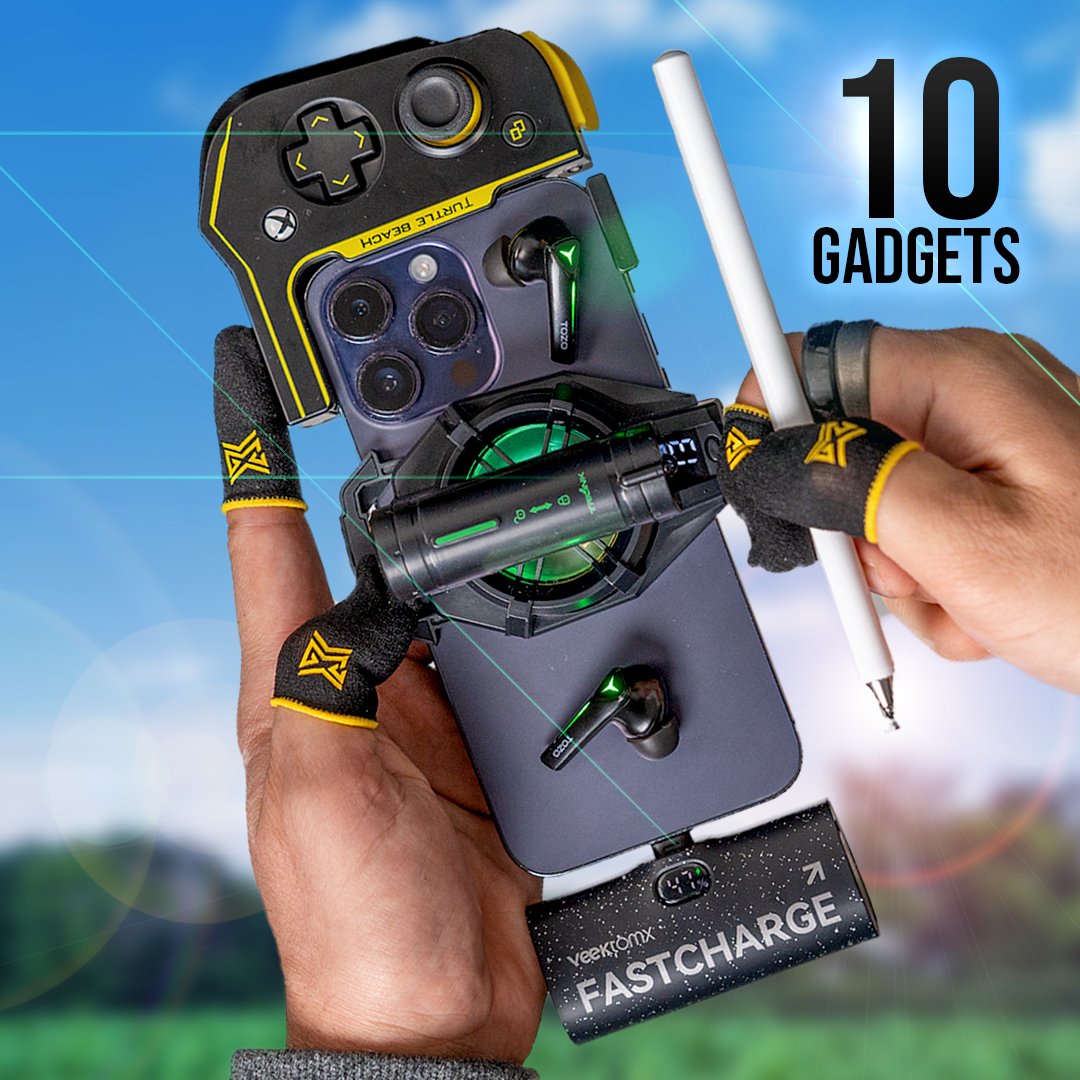
Counter-Strike is a popular first-person shooter game that pits teams of terrorists against counter-terrorists in a variety of game modes. It's known for its tactical gameplay, team coordination, and skill-based mechanics. Players often seek to enhance their gaming experience with gear and accessories, such as in the Top 10 iPhone 17 Pro Accessories for enhanced performance.
Are These Gadgets the Future of Virtual Reality?
The rapid advancement in technology has led to the emergence of innovative gadgets that are redefining the landscape of virtual reality. Devices like VR headsets and haptic gloves are not only enhancing immersive experiences, but are also making virtual interactions more accessible than ever before. As these gadgets become more affordable and user-friendly, they are likely to attract a wider audience. Additionally, advancements in graphics rendering and real-time processing are creating more lifelike environments, further blurring the line between reality and virtual experiences.
Moreover, the integration of artificial intelligence in these virtual reality gadgets is paving the way for personalized experiences. With AI-driven analytics, users can enjoy tailored content that enhances engagement and satisfaction. Some notable examples include augmented reality glasses that overlay digital information onto the real world and motion-tracking devices that can read users' gestures and movements accurately. As developers continue to innovate and optimize these technologies, one must question: are these gadgets truly the future of virtual reality?
How Augmented Reality Devices Are Changing Our Interaction with the World
Augmented Reality (AR) devices are revolutionizing the way we interact with the world around us by seamlessly blending digital information with our physical environment. This transformative technology enhances our perception by overlaying interactive elements onto our real-world surroundings, allowing for a more immersive and engaging experience. For instance, AR applications in navigation can display real-time directions overlaid on the street you are walking, making it easier to find your way without constantly checking your phone. As AR continues to develop, we can expect to see its applications expand across various sectors, including education, entertainment, and retail, thereby altering our daily interactions.
In the realm of education, AR devices provide innovative learning experiences by bringing complex concepts to life. Imagine studying anatomy where students can visualize and interact with a 3D model of the human body right in their classroom. This hands-on approach not only enhances understanding but also increases engagement. The retail industry is also seeing a shift as brands use AR to allow customers to virtually try products before purchasing. From trying on clothes to visualizing furniture in their home, AR is changing consumer behavior by fostering a more personalized shopping experience. As these technologies evolve, our interaction with both the digital and physical realms will become increasingly intertwined, enhancing the way we experience everyday life.